
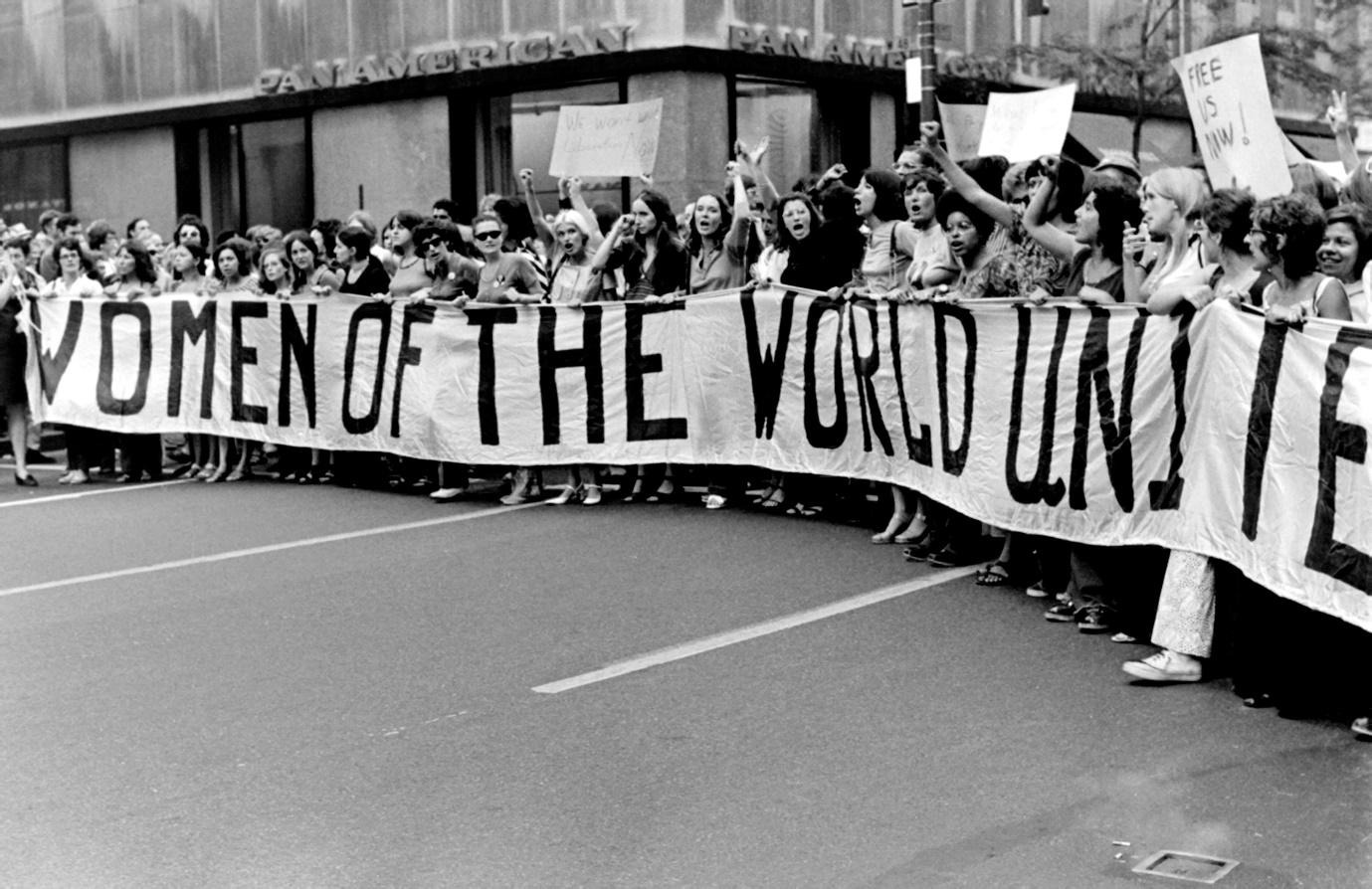
LECTURE ON SOCIALIST FEMINISM
By Reihana Mohideen
I. Historical Overview: The First Wave of the Women’s Movement
A. Suffragette Era (late 19th century – early 20th century
1. This first wave of the women’s movement focused primarily on legal equality, especially the right to vote (women’s suffrage).
2. Key Characteristics:
- Emerged in Europe and North America in the late 1800s.
- Women challenged laws that treated them as legal dependents of men.
- The central demand: the right to vote and participate in politics.
3. Important Figures:
- Emmeline Pankhurst – leader of the militant suffragette organization the Women’s Social and Political Union in Britain.
- Susan B. Anthony – key organizer in the United States.
- Elizabeth Cady Stanton – organized the Seneca Falls Convention, one of the earliest feminist gatherings.
4. Major Achievements. Many countries gradually granted women the right to vote:
- New Zealand: the first country to grant women suffrage (1893)
- United Kingdom: partial equality in 1918, full equality in 1928
- United States: 1920 through the 19th Amendment to the U.S. Constitution
- Philippines: The 1935 Constitution of the Philippines allowed women’s suffrage only if it was approved by women themselves through a plebiscite. On April 30, 1937, the government held a women-only plebiscite. Women first participated in a national election in 1938, local elections, and later in national elections during the Commonwealth of the Philippines.
5. Limits of the First Wave:
- Often led by middle-class white women.
- Many working-class women and women of color were excluded or marginalized.
- Focused mostly on political rights, not broader social equality.
B. The Socialist Women’s Movement
1. Alongside the suffragette movement, another current of women’s struggle developed within the socialist and workers’ movements. Socialist women argued that women’s oppression was rooted not only in discriminatory laws but also in the capitalist system and class exploitation.
2. These women worked through socialist parties and labor movements to organize working-class women, factory workers, and domestic workers.
3. Key Leaders:
- Clara Zetkin – Social Democratic Party (SPD) Germany – later became the Communist Parry, KPD — and leading organizer of socialist women.
- Alexandra Kollontai – Russian revolutionary, Bolshevik Party (RSDLP) who fought for women’s emancipation within the socialist movement.
- Rosa Luxemburg – Leader SPD and later KPD who also supported women workers’ struggles.
4. Key Ideas of Socialist Feminism
Socialist women argued:
(1) Women’s oppression is linked to class exploitation.
(2) Legal equality alone is not enough. Even if women gain the vote, economic inequality will continue unless the system changes.
(3) Working-class women must organize with workers’ movements.
(4) The struggle for women’s liberation is tied to the struggle for socialism.
The Birth of International Women’s Day
1. The idea of International Women’s Day was proposed by Clara Zetkin in 1910 at the International Socialist Women’s Conference.
2. The conference called for an annual international day of action where women would mobilize for: Women’s suffrage, Workers’ rights, Peace, and Socialism.
3. One of the most important events occurred in 1917 in Russia. Women textile workers in Petrograd went on strike on March 8 (February in the old Russian calendar) demanding “Bread and Peace.”
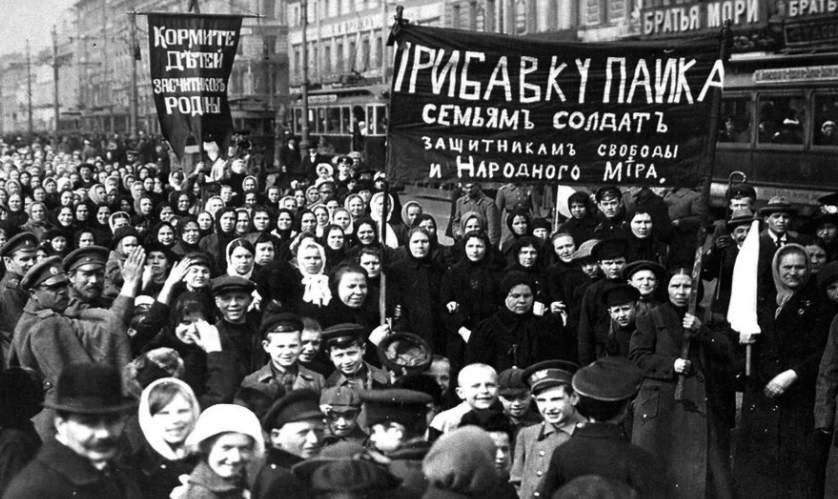
4. This protest helped ignite the February Revolution, which led to the fall of the Tsar.
5. After the revolution – Russian Revolution — the revolutionary government led by the Bolshevik party declared March 8 as an official holiday celebrating women’s struggle.
Achievements Under Early Socialist Governments
1. After the Russian Revolution, the government led by Vladimir Lenin implemented reforms influenced by activists like Alexandra Kollontai:
- Legalized divorce
- Legalized abortion (for a period, reversed by Stalin)
- Introduced maternity benefits
- Promoted women’s participation in work and politics
2. These reforms were among the most progressive women’s rights policies of the early 20th century.
3. Key Difference Between Suffragette and Socialist Feminists at the time:
| Suffragette Movement | Socialist Women’s Movement |
| Focused on voting rights | Linked women’s liberation with workers’ struggle and socialism |
| Often led by middle-class women | Organized working-class women |
| Focused on legal equality | Anti-capitalist and socialism as the alternative |
II. The Second Wave Feminist Movement (1960s – 1980s)
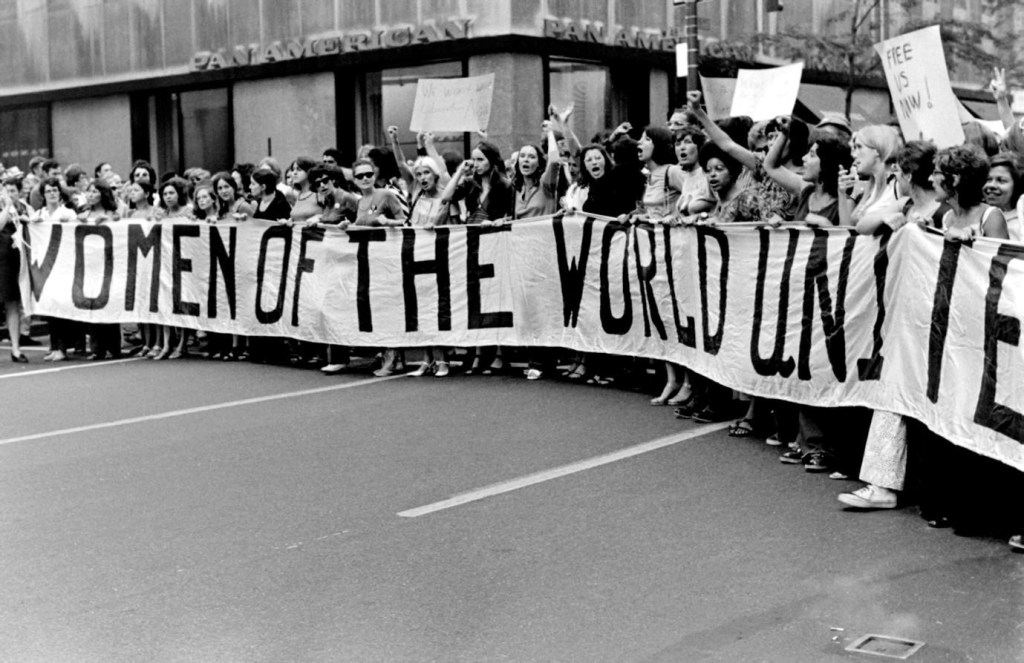
1. The second wave expanded feminism beyond voting rights to social, economic, and cultural equality.
2. Historical Context: After World War II many women were pushed back into domestic roles despite having worked during the war. Youth radicalisation in the West. By the 1960s, women began challenging this system.
3. Key Demands. Second-wave feminists fought for:
- Equal pay
- Reproductive rights – decriminalization of abortion and a woman’s right to choose to control her own body.
- “Not the Church, Not the State, Women Must Decide Their Fate!
- Access to education and employment
- Legal protections against discrimination
- Childcare and social services
- Freedom from sexual violence, including campaign against rape on campus
4. Major Victories:
- Anti-discrimination laws in employment and education
- Expansion of reproductive rights (e.g., Roe vs. Wade in the U.S.; decriminalization of abortion in Australia)
- Growth of feminist scholarship and activism globally
5. Critiques of the Second Wave. Later feminists argued that the movement:
- Focused too heavily on white middle-class women’s experiences
- Did not fully address race, class, and colonialism
- Gay and Lesbian Rights
6. These critiques helped give rise to intersectional feminism in the 1990s.
7. Summary:
| Wave | Main Focus | Period |
| First Wave (Suffragettes) | Poiitical rights, especially the vote | Late 1800s-1920s |
| Second Wave | Social, economic, and reproductive equalitly | 1960s-1980s |
III. Third Wave: Feminism 1990s – 2010s
A. Feminism 1990s
1. Emerged in the early 1990s, partly as a response to the limitations of the second wave – co-optation.
2. Key Ideas:
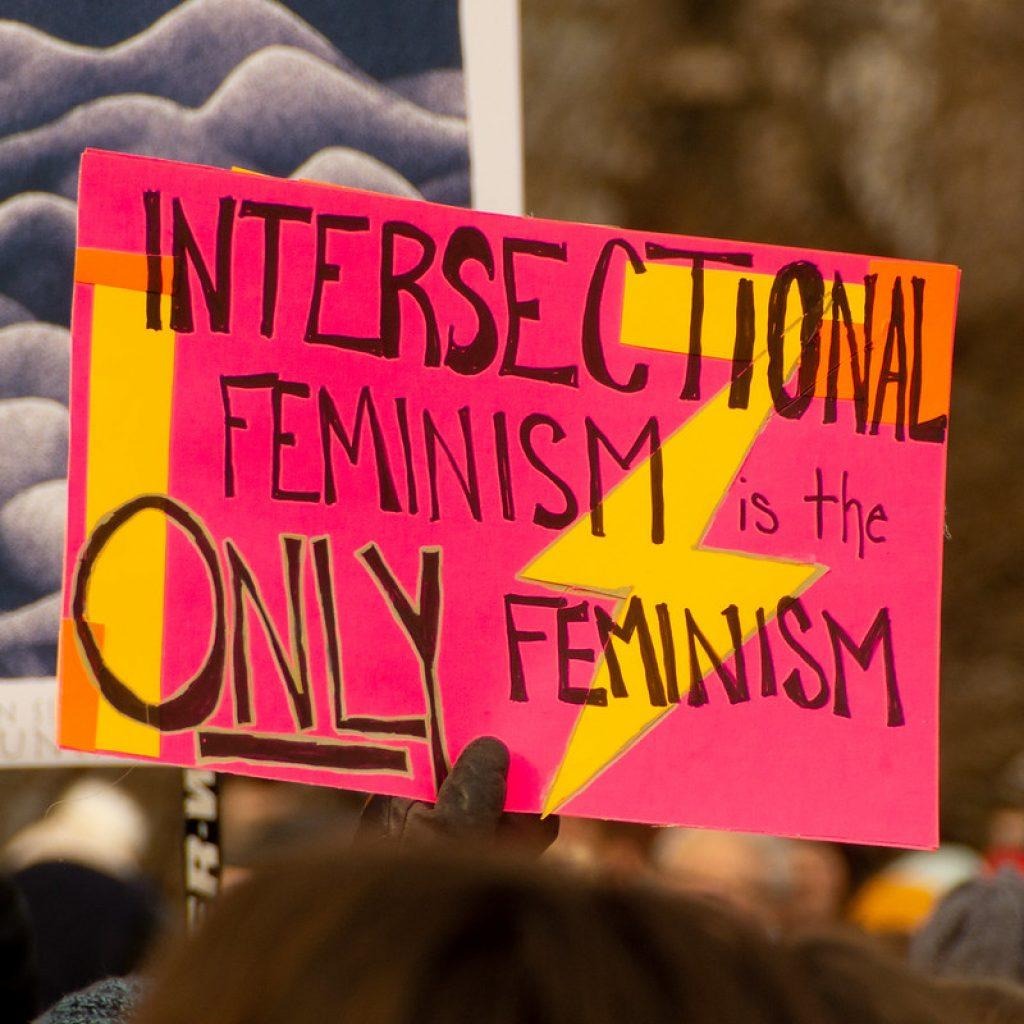
- Intersectionality
Feminists emphasized that women experience oppression differently depending on race, class, sexuality, and nationality. - Diversity of Women’s Experiences
Third-wave feminism rejected the idea that there is one universal female experience. - Body Autonomy and Sexuality
Challenging gender norms. - Culture and Media Activism
Feminist activism appeared in music, art, and youth culture—especially through movements like Riot Grrrl, a feminist punk subculture.
3. Later problems on post-modernism and the rise of identity politics.
4. Influential Writers of the Third Wave:
- Bell hooks – explored the relationship between race, capitalism, and patriarchy.
- Judith Butler – developed theories about gender as a social construct.
B. Feminism 2010s – Present
1. Key Characteristics:
- Digital Activism
Social media has become a major organizing tool for feminist movements. - Campaigns Against Sexual Violence
One of the most influential global movements was the Me Too movement, first initiated by activist Tarana Burke.
- Global Feminism
Feminist struggles now connect movements across countries fighting:- gender violence
- reproductive rights
- workplace discrimination
- authoritarianism and militarism
- Intersectional Feminism
Today’s movements widely adopt intersectionality, recognizing how patriarchy intersects with capitalism, racism, and colonialism.
2. Summary of the Waves of the Women’s Movement:
| Wave | Period | Main Focus |
| First Wave | Late 1800s–1920s | Voting rights and legal equality |
| Second Wave | 1960s–1980s | Workplace equality, reproductive rights, social liberation |
| (Post?) Feminism | 1990s–2010s | Diversity, identity, intersectionality |
| (Post?) Feminism | 2010s–today | Digital activism, anti-violence campaigns, global feminism |
C. Anti-Imperialism and Third World Feminism
1. Third World feminism emerged in the 1960s–1980s alongside anti-colonial and anti-imperialist struggles across Asia, Africa, Latin America, and the Middle East. It argued that women’s oppression cannot be separated from colonialism, imperialism, racism, and global capitalism.
2. Many women activists in the Global South believed that mainstream Western feminism often ignored the realities faced by women living under colonial rule, dictatorship, war, and economic exploitation.
3. Historical Context. Influenced by liberation struggles:
- Vietnam War (1955–1975)
- Cuban Revolution (1959)
4. Women played crucial roles in these struggles—as fighters, organizers, workers, and community leaders. These experiences shaped feminist thinking in the Global South.
5. Core Ideas of Third World Feminism:
(1) Anti-Imperialism:
Third World feminists argued that imperialism and military domination deepen women’s oppression through:
- wars and militarization
- economic dependency
- displacement and poverty
- exploitation of women workers
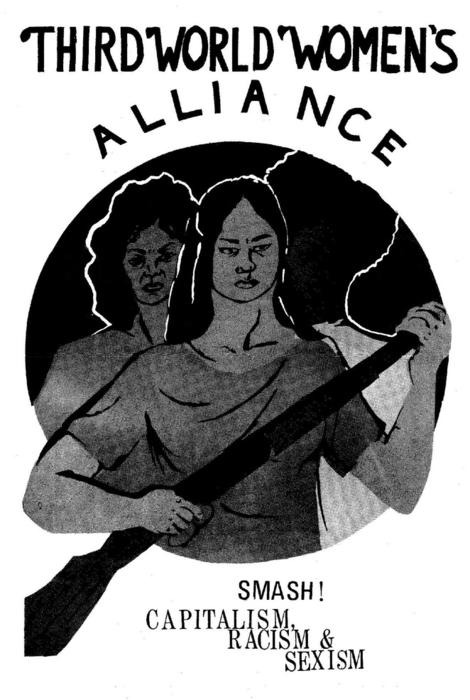
(2) Women in colonized or semi-colonial countries often faced double or triple oppression: patriarchy + class exploitation + imperial domination.
(3) Critique of Western Feminism. Third World feminists criticized some Western feminist perspectives for:
- assuming all women share the same experiences
- ignoring colonial histories
- focusing mainly on issues of individual rights rather than collective liberation
(4) Collective Liberation. Third World feminism often links women’s liberation with anti-imperialism:
- national liberation
- workers’ struggles
- land reform
- social justice
This approach overlaps strongly with socialist feminism.
6. Key Thinkers:
- Angela Davis – linked feminism with anti-racism, anti-capitalism, and prison abolition.
- Nawal El Saadawi – Egyptian feminist who connected patriarchy with authoritarianism and imperialism.
7. Connection to Today’s Feminist Movements. Today, many feminist movements draw on Third World feminism when addressing:
- militarism and war
- global labor exploitation
- migration and trafficking
- climate justice
- neocolonial economic policies
8. For many activists in the Global South, women’s liberation cannot be separated from the struggle against imperialism and capitalism.
9. Summary:
| Feminist Tradition | Main Focus |
| Western Liberal Feminism | Legal equality and individual rights |
| Socialist Feminism | Women’s liberation linked to class struggle |
| Third World/Anti-imperialist Feminism | Women’s liberation linked to anti-colonial and anti-imperialist struggle |
| Socialist Feminism and Third World Feminism overlaps | |
D. The UN Women’s Conference in Nairobi, Africa (1985)
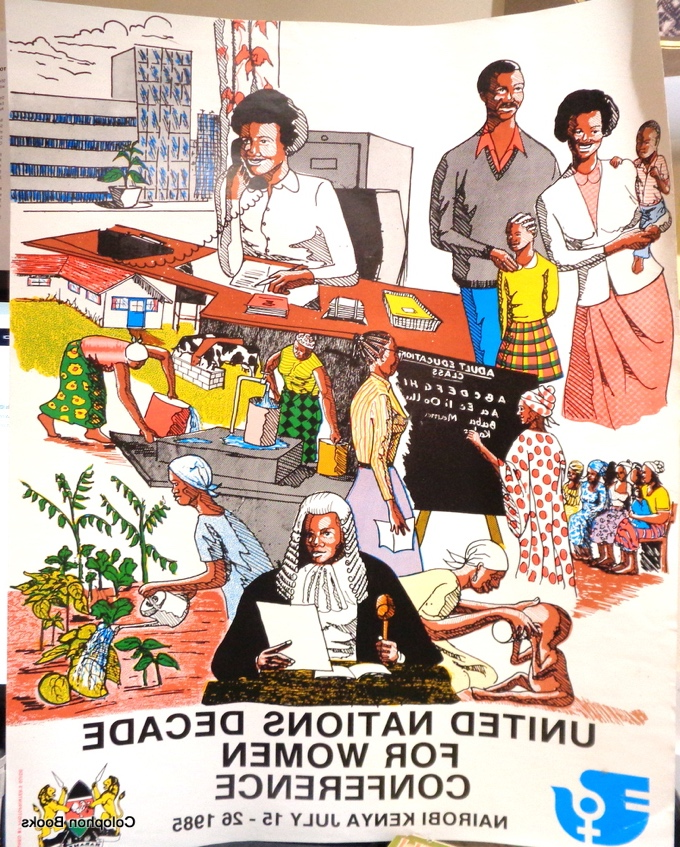
1. An important global feminist gatherings held in Africa was the World Conference on Women, organized by the United Nations in Nairobi, Kenya.
2. Strong Voice of the Global South. Women from Africa, Asia, Latin America, and the Middle East argued that women’s oppression cannot be separated from:
- imperialism
- colonial legacies
- debt and economic dependency
- militarism and war
3. This perspective helped strengthen Third World feminism and anti-imperialist feminist politics.
4. The Nairobi conference helped:
- legitimize Third World feminist perspectives
- strengthen international feminist networks
- connect feminism with development, peace, and anti-imperialism
5. Historical significance: Many historians say the Nairobi Conference was where global feminism truly became international, with women from the Global South shaping the agenda rather than simply participating.
E. Socialist Feminism and Marxist Feminism in the Second Wave (1960s–1980s)
1. During the Second Wave of feminism (1960s–1980s), two important currents developed inside the women’s movement: Marxist feminism and socialist feminism. Both argued that women’s oppression is connected to economic systems, class relations, and labor exploitation, not just cultural attitudes or discriminatory laws.
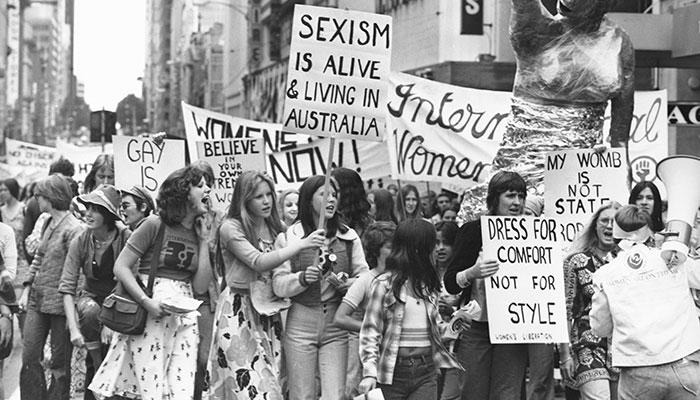
2. These perspectives grew partly out of the New Left movements, labor struggles, and anti-war activism of the 1960s and 1970s.
Marxist Feminism
1. Core Idea: Marxist feminists argue that women’s oppression originates in the development of private property and class society.
2. Their analysis is rooted in the work of Karl Marx and Friedrich Engels, particularly Engels’ book The Origin of the Family, Private Property and the State (1884). [Summary of Engels book is presented below.]
3. Key arguments in relation to capitalism:
- Women’s unpaid domestic labor sustains capitalism.
Housework, childcare, and reproductive labor reproduce the workforce but are not paid or recognized as economic labor. - Capitalism benefits from gender inequality.
Women are often paid less and used as cheap labor, helping increase profits. - True women’s liberation requires abolishing capitalism.
Socialist Feminism
1. Core Idea: Socialist feminism developed partly as a response to limitations in both left movements and radical feminism.
2. Several communist parties rejected the women’s movement as petit-bourgeois.
3. Socialist feminists argued that women’s oppression comes from two interconnected systems:
- Capitalism
- Patriarchy
4. However these are two separate or relatively autonomous systems. Socialist feminism emphasized the system of patriarchy over class.
5. Influential Socialist Feminists:
- Juliet Mitchell – analyzed the relationship between capitalism and patriarchy.
- Heidi Hartmann – explored the “unhappy marriage” between Marxism and feminism.
- Zillah Eisenstein – theorized capitalist patriarchy.
6. Difference Between Marxist and Socialist Feminism:
| Marxist Feminism | Socialist Feminism |
| Focuses primarily on class relations and the origins of women’s oppression* | Examines capitalism + patriarchy together |
| Women’s oppression rooted in the development of class society, class exploitation, based on the nuclear family system. | Women’s oppression comes from interacting social systems.* |
| *Class in the widest sense. Not just trade union workers’ struggles around wages, etc. | *Emphasized the system of patriarchy over class. |
7. Historical significance. Marxist and socialist feminists helped shift the women’s movement from focusing only on legal rights toward analyzing:
- the economic structure of society
- women’s labor
- the relationship between capitalism and patriarchy
8. Their ideas continue to influence anti-imperialist feminism, labor feminism, and Global South feminist movements today.
9. Today socialist feminism has disappeared as a distinct and organised current. Much of this current was co-opted into social democracy and the welfare state structures.
10. We, Marxist Feminists, are taking on the mantle of socialist feminism.
IV. The Philippine Women’s Movement in the Anti-Dictatorship Struggle
1. The modern women’s movement in the Philippines was deeply shaped by the struggle against the dictatorship of Ferdinand Marcos, especially during Martial Law in the Philippines.
2. Women activists played crucial roles in the broader anti-dictatorship movement, participating in underground organizing, labor struggles, student movements, and mass protests.
3. One of the scholars who analyzed this history is Ana Maria Nemenzo, a Filipino feminist intellectual who wrote about how the women’s movement developed during the resistance to authoritarian rule.
The Context: Martial Law and Resistance
1. In 1972, Marcos declared martial law, which resulted in:
- suspension of democratic rights
- censorship of media
- imprisonment and torture of activists
- suppression of labor and student movements
2. Women activists were deeply involved in resistance organizations, including community organizing, political education, and underground networks.
Women in the Anti-Dictatorship Movement
1. Women in the National Democratic Movement:
- Many women joined revolutionary and mass organizations linked to the struggle against dictatorship.
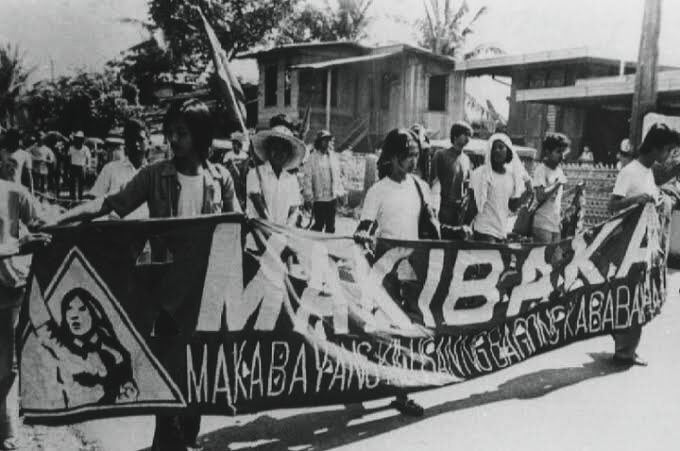
- One of the most important women’s organizations formed during this period was Makabayang Kilusan ng Bagong Kababaihan (MAKIBAKA), founded in 1970.
- MAKIBAKA connected women’s oppression with feudalism, imperialism, and bureaucrat capitalism
- Women activists participated in labor strikes, peasant struggles, student movements, anti-militarization campaigns
2. Emergence of Feminist Organizations:
- During the late 1970s and early 1980s, independent feminist groups also emerged that focused specifically on women’s issues such as: violence against women, reproductive rights, workplace discrimination
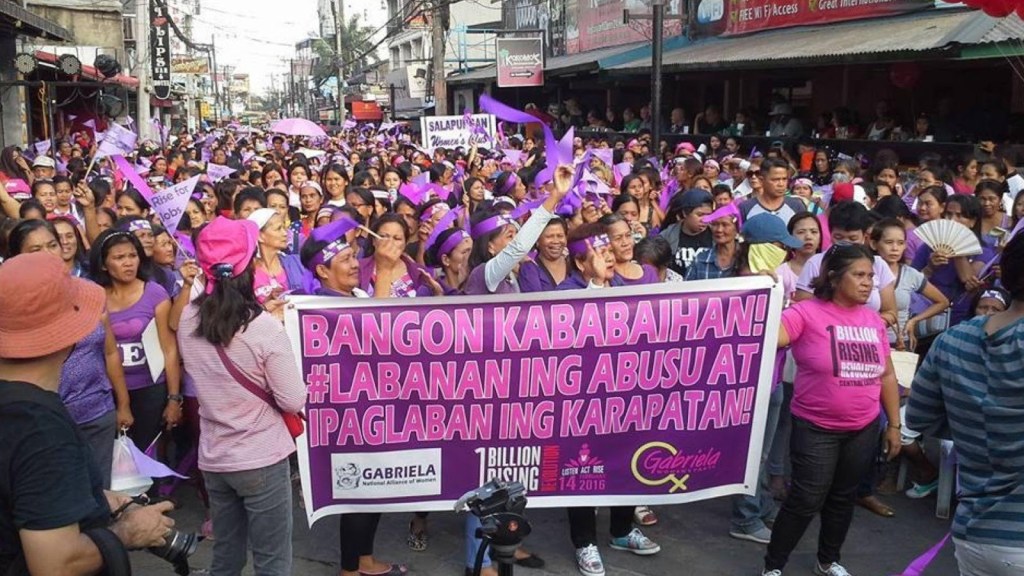
- Some important groups included: GABRIELA – founded in 1984 as a broad alliance of women’s organizations opposing dictatorship and imperialism.
- GABRIELA connected feminist demands with broader political struggles against: dictatorship, foreign military bases, economic inequality
3. Major Traditions in Philippine Feminism:
- Scholars of the Philippine women’s movement—including figures like Ana Maria Nemenzo and activists such as Lidy Nacpil—often describe three broad traditions within Philippine feminism. These currents developed particularly during and after the struggle against the dictatorship of Ferdinand Marcos and the People Power Revolution.
- These traditions sometimes cooperate but also debate each other about strategy, politics, and priorities.
- Ana Maria Nemenzo argued that the Philippine women’s movement during the anti-dictatorship struggle had three overlapping currents:
(1) National-Democratic Feminism. Women’s liberation must be connected to the broader struggle on nationalist/democratic demands and anti-imperialist struggles.
(2) Liberal Feminism (Bourgeois Feminism). Focused on legal reforms, civil rights, and representation.
(3) Socialist Feminism. Analyzed women’s oppression in relation to:
- class exploitation – in the broad understanding of class – not trade union struggles alone, such as wages, etc. (trade unionism and economisms)
- anti-imperialism
4. According to Nemenzo, the anti-dictatorship struggle helped politicize a generation of Filipino women activists.
Key Contributions of the Anti-Dictatorship Women’s Movement
1. The struggle helped build movements that later fought for:
- laws against violence against women
- labor protections for women workers
- reproductive health rights
- political representation
2. Many feminist leaders and organizations in the Philippines today trace their origins to activism during martial law.
3. Historical significance. The Philippine women’s movement during the anti-Marcos struggle showed that women’s liberation was inseparable from broader struggles for democracy, social justice, and national sovereignty.
Autonomous Feminist Movement
1. There’s also a current of autonomous feminist movement. Its key idea: Women’s organizations should be independent from political parties, nationalist movements, and armed struggles, so that women’s issues remain the central focus.
2. Main Concerns. Autonomous feminist groups focus on:
- violence against women
- reproductive rights
- legal reforms
- gender equality policies
- research and advocacy
3. These organizations often work through NGOs, academic institutions, and policy advocacy.
4. Achievements. They played a major role in campaigns that helped pass laws on:
- violence against women
- anti-trafficking
- workplace discrimination
5. Criticism. Critics argue that autonomous feminism can sometimes become institutionalized or NGO-driven, and may focus more on policy reforms than structural social change.
Key Debates in Philippine Feminism
1. These traditions have debated questions such as:
- Reform vs structural change: Should feminism focus on policy reforms or systemic transformation?
- Autonomy vs integration: Should feminist movements remain independent, or be part of broader political movements?
2. Gender vs class priorities
- How should feminism balance gender issues with class and national struggles?
A Distinct Feature of Philippine Feminism
1. Compared with some Western feminist movements, Philippine feminism has often been deeply connected to anti-dictatorship, anti-imperialist, and social justice struggles.
2. This reflects the country’s political history, including:
- colonialism
- dictatorship
- economic dependency
- mass social movements
3. Summary:
| Tradition | Main focus |
| Autonomous Feminism | Gender, equality, legal reform, independent women’s organizations |
| National-Democratic Feminism | Anti-imperialist and for mass women’s struggles |
| Socialist Feminism | Class analysis and economic transformation |
World March of Women
1. The World March of Women (WMW) is an international feminist movement that mobilizes women worldwide to fight poverty, violence against women, and systemic inequality. It is known for linking feminism with anti-capitalist, anti-imperialist, and social justice struggles. The movement connects grassroots women’s organizations from more than 50 countries.
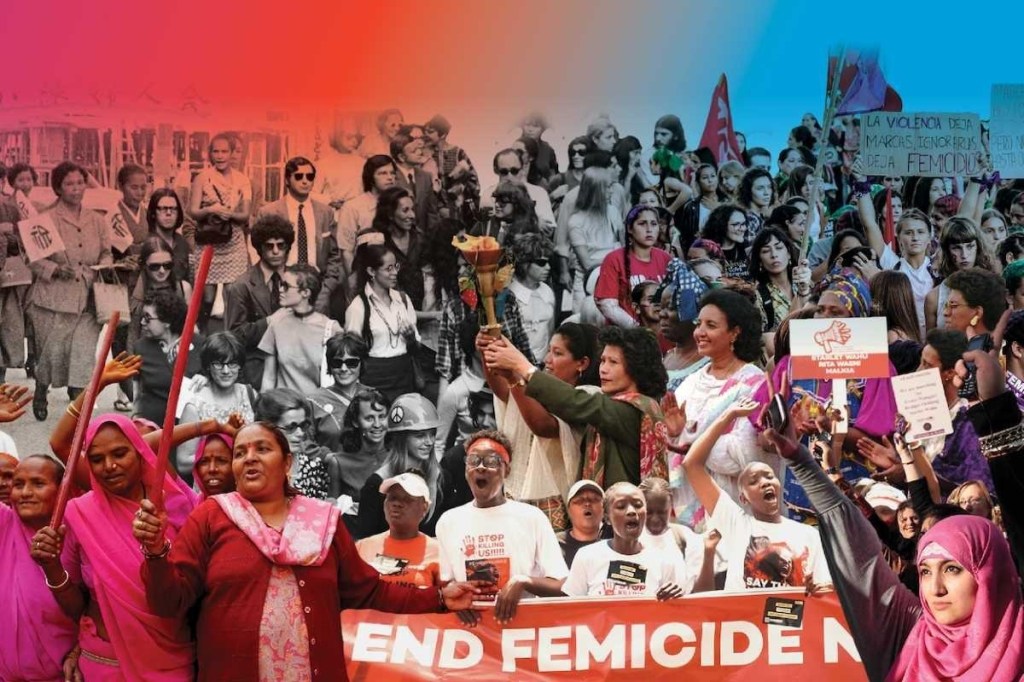
2. Origins: The World March of Women began in 2000, inspired by a 1995 women’s march against poverty in Quebec, Canada organized by the group Fédération des femmes du Québec.
3. The idea quickly expanded into a global mobilization, with women’s organizations around the world coordinating actions.
4. In October 2000, thousands of women marched in New York and Washington, D.C., presenting demands to the:
- United Nations
- World Bank
- International Monetary Fund
5. Key Political Principles. The World March of Women identifies several interconnected struggles:
- Fight Against Poverty. The movement argues that global capitalism produces poverty, and that women are often the most affected by:
- low wages
- precarious work
- unpaid care work
- economic austerity
- Fight Against Violence Against Women. The movement campaigns against many forms of violence:
- domestic violence
- sexual violence
- trafficking
- militarization and war
They emphasize that violence is systemic and political, not just individual.
- Anti-Capitalist Feminism. The World March of Women criticizes:
- neoliberal globalization
- corporate power
- economic policies imposed by global financial institutions
Many activists within the movement advocate systemic transformation of economic systems.
6. International Feminist Solidarity. The movement connects struggles across regions including:
- Latin America
- Africa
- Asia
- the Middle East
- Europe
It emphasizes grassroots women’s leadership, especially from the Global South.
7. Key Mobilizations. The World March of Women organizes periodic global actions:
- 2000 – First global march against poverty and violence
- 2005 – International feminist mobilizations
- 2010 – Global actions in over 50 countries
- 2020 – Actions linked to the 25th anniversary of the Beijing Platform for Action
8. These mobilizations include:
- marches
- political education
- cultural actions
- international feminist forums
9. Participation from the Philippines. Filipina activists and organizations—including groups linked to grassroots women’s movements—have participated in World March of Women mobilizations. Groups such as GABRIELA have been involved in global feminist solidarity networks aligned with many of the movement’s principles.
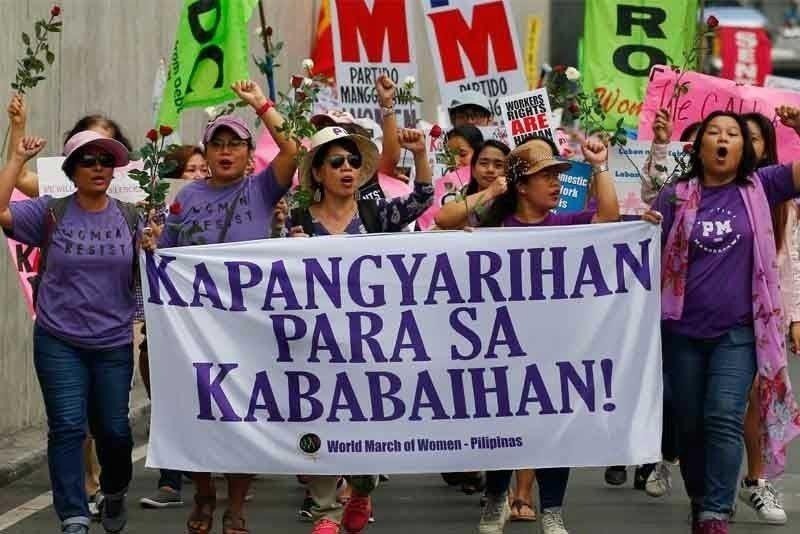
10. Significance. The World March of Women is one of the largest transnational feminist movements, notable for linking feminism with struggles against:
- capitalism
- imperialism
- racism
- environmental destruction
It represents a form of internationalist, grassroots feminism rather than NGO-led advocacy.
V. On Gender Equality
1. Gender equality refers to the principle that all people—regardless of gender—should have equal rights, responsibilities, and opportunities in every area of life, including political participation, education, employment, and personal freedom.
2. It is a central goal of many feminist movements and international human rights frameworks.
3. Internationally, gender equality is promoted through institutions like the United Nations.
4. Key Principles of Gender Equality:
(1) Equal Rights:
- voting rights
- equal access to education
- protection from discrimination
- property and inheritance rights
(2) Equal Opportunities
5. Gender equality means people should have fair opportunities to develop their abilities and participate in society. This includes:
- equal access to jobs
- equal pay for equal work
- leadership opportunities
- political representation
(3) Freedom from Gender-Based Violence. Gender equality requires protection from:
- domestic violence
- sexual harassment
- trafficking
- harmful cultural practices
Many feminist movements around the world campaign for stronger laws and protections in this area.
Gender Equality in International Policy
1. One of the major global frameworks is the Sustainable Development Goals, adopted by the United Nations in 2015.
2. Goal 5 specifically aims to: “Achieve gender equality and empower all women and girls.”
Different Feminist Perspectives on Gender Equality
1. Bourgeois Feminism: Focuses on legal equality and equal opportunities within existing systems.
2. Socialist Feminism: Argues that gender equality requires addressing economic inequality and class exploitation. Links gender inequality to capitalist economic structures and unpaid domestic labor.
3. Anti-Imperialist. Emphasizes that gender equality must also address:
- colonial legacies
- global economic inequality
- militarism and imperialism
4. Gender Equality vs. Women’s Liberation:
| Gender Equality 1. Equal rights within the existing system 2. Focus on laws and opportunities 3. Often associated with bourgeois feminism | Women’s Liberation/Socialist Feminists 1. Transformation of social and economic structures 2. Focus on deeper social change 3. Often associated with socialist feminism – a society without classes |
5. Co-optation around gender equality refers to the process by which governments, corporations, or institutions adopt the language of gender equality or feminism to improve their image and maintain power, without making substantive structural changes to challenge inequality.
How Co-optation Happens
1. Government Cooptation
- States pass symbolic laws or programs that claim to promote gender equality but do not address underlying economic, political, or social inequalities. Examples:
- Gender quotas without real decision-making power
- Policy statements supporting equality while austerity measures hit women hardest
- International Development and NGO Cooptation
- Promote gender equality programs without addressing colonial legacies, imperialism, or economic exploitation.Example: Development projects that focus on “empowering women” but reinforce dependency on global capitalist systems.
- Corporate Cooptation (“Pinkwashing”). Examples:
- Token female CEOs while the majority of staff are underpaid women
- Marketing campaigns that sell feminist slogans as products
- Pro-Imperialist: Supporting and justifying imperialist wars and intervention in the name of gender equality – Afghanistan, today Iran.
5. Key Insight. Co-optation does not make society more equal. Feminist scholars emphasize that true gender equality requires structural change, including:
- Redistribution of wealth
- Socialization of care work
- Anti-imperialist and anti-capitalist policies
- Cultural transformation of the culture of patriarchy
6. We are critical of a gender equality politics which doesn’t challenges the capitalist system preserves the status quo.
NO WOMEN’S LIBERATION WITHOUT SOCIALISM!
NO SOCIALISM WITHOUT WOMEN’S LIBERATION!
SUMMARY OF The Origin of the Family, Private Property and the State (1884)
1. The Origin of the Family, Private Property and the State is a foundational work written by Friedrich Engels in 1884, based partly on notes left by Karl Marx. It is one of the most influential texts in Marxist and socialist feminist theory.
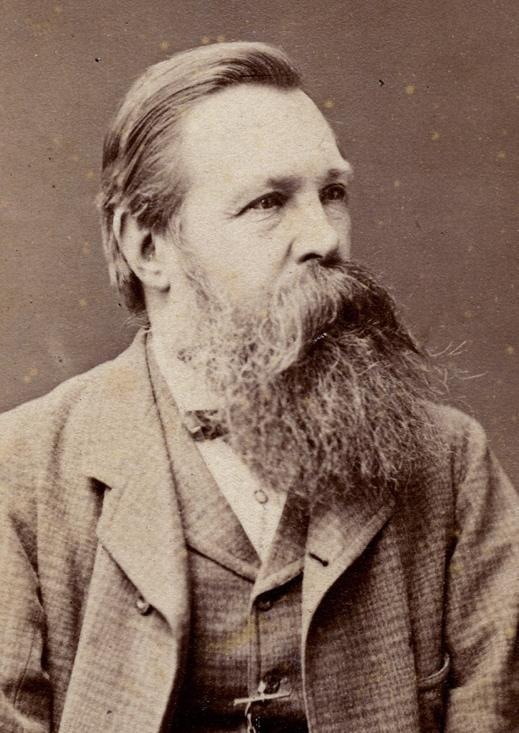
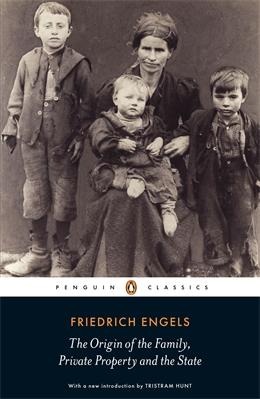
2. The book attempts to explain the historical origins of the family, women’s oppression, private property, and the state using a materialist (economic and historical) analysis.
3. Engels’ Central Argument
- Engels argued that women’s oppression is not natural or eternal. Instead, it emerged historically with the rise of:
- private property
- class society
- the patriarchal family system
4. Key Ideas in the Book:
(1) Early Communal Societies
Engels drew on anthropological research by Lewis Henry Morgan, especially Morgan’s book Ancient Society.
He suggested that early human societies were:
- communal
- based on collective ownership
- organized through kinship systems
In many cases, descent was traced through the mother’s line (matrilineal systems).
Women had relatively higher social status in these societies.
Gender division of labor was not based on discrimination or oppression.
(2) The Rise of Private Property
As systems of labor based on agriculture and animal domestication developed, communities began accumulating surplus wealth. Men increasingly controlled:
- livestock
- land
- tools
This led to the development of private property and the desire to pass wealth to biological heirs.
(3) The “World-Historic Defeat of the Female Sex”
According to Engels, the shift to private property produced what he called: “the world-historic defeat of the female sex.”
To ensure that inheritance passed to their own children, men imposed:
- patriarchal marriage
- female sexual control
- monogamy for women
The patriarchal family developed as a way to guarantee inheritance.
(4) The Role of the State
Engels argued that the state emerged to protect property and class interests.
The state became a structure that:
- defends private property
- maintains class divisions
- enforces patriarchal family structures
5. Engels’ Vision of Women’s Liberation: Engels believed women’s liberation would require:
- Abolition of private property
- Women entering social production (paid work)
- Socialization of domestic labor
6. He argued that socialism would allow:
- collective childcare
- communal services
- economic independence for women
7. Influence on Socialist and Marxist Feminism. This book strongly influenced later socialist feminists, including:
- Clara Zetkin
- Alexandra Kollontai
- Angela Davis
8. It became one of the earliest attempts to connect:
- women’s oppression
- economic systems
- family structures
- class society
9. Engels relied on 19th-century anthropology, which is partly outdated. Early societies were likely more complex than his model suggests and gender relations varied widely across cultures. Scientific development, especially in archaeology, such as carbon dating, gives us a more accurate understanding.
10. However, the book remains important because it provided a historical materialist analysis of women’s oppression, showing that patriarchy is socially constructed and historically produced, not natural.
11. In summary. Engels argued that: Patriarchy + the modern family developed alongside private property and class society. Therefore, women’s liberation requires transforming the system of production (and reproduction) itself.
 Building the Philippine Socialist Movement Today